Hi, I'm Meg!
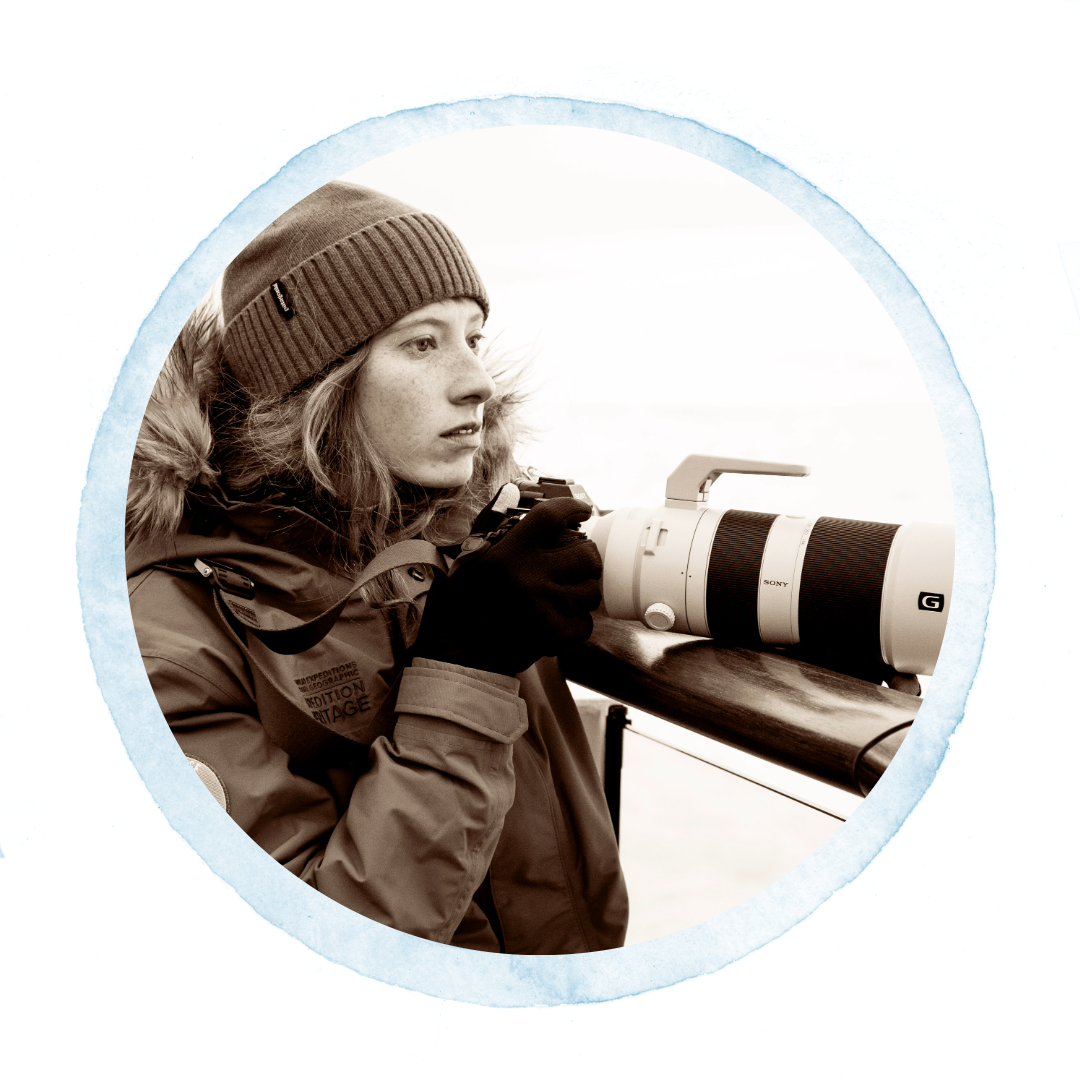
I’m a wildlife conservation photographer and videographer based in Bozeman, Montana. I inspire empathy for endangered species by using storytelling as a bridge to belonging, understanding, and action.
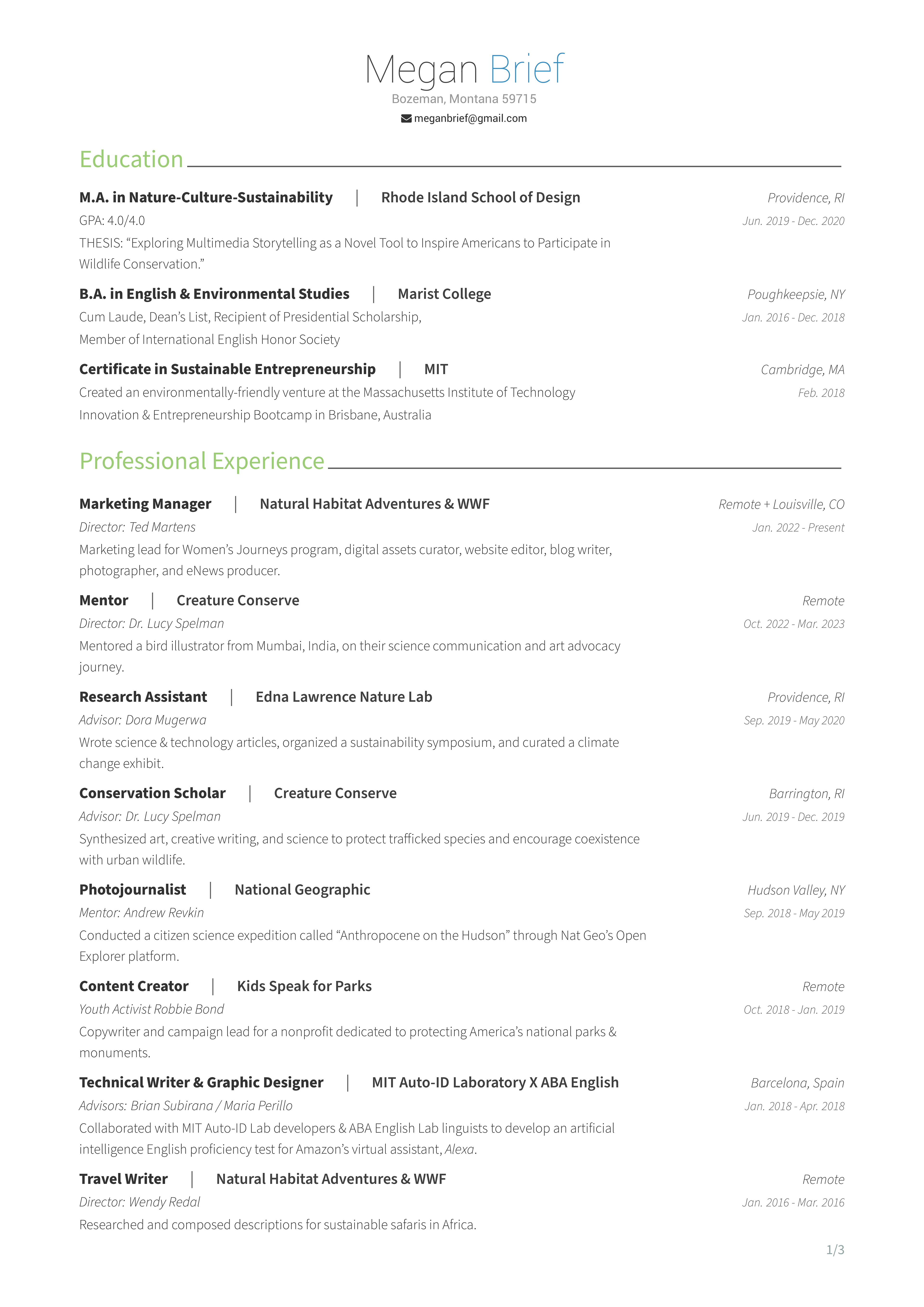
I hold a Master's in Nature-Culture-Sustainability Studies from the Rhode Island School of Design, where my research on the illegal wildlife trade was exhibited globally.
My work has taken me to the high Himalayas in search of snow leopards, beneath the waves with Galápagos penguins, across the Arctic tracking polar bears, and into Yellowstone's sage seas documenting wolves.
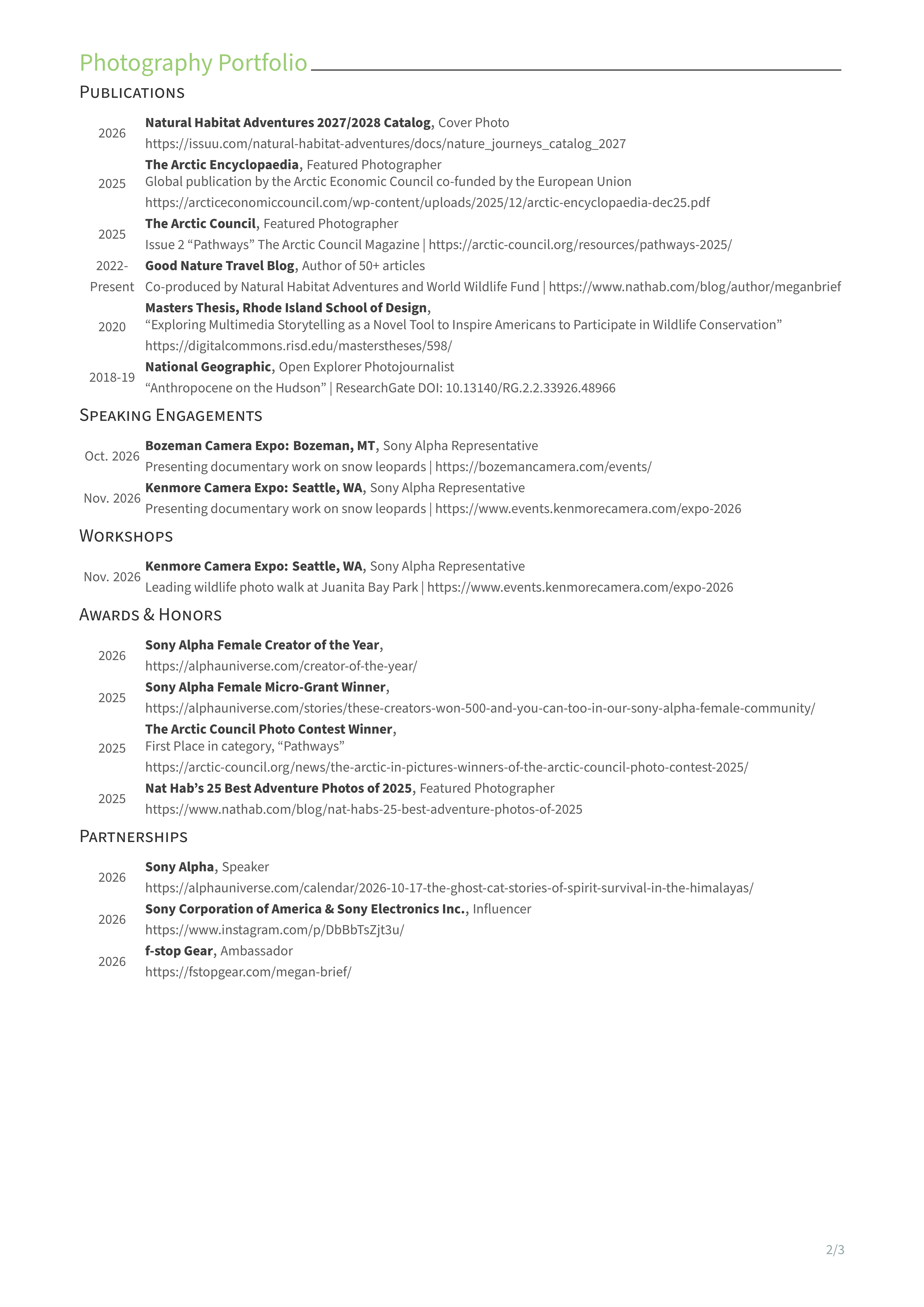
In 2026, I was named Sony Alpha Female Creator of the Year — my proudest milestone on this journey so far.
Join me in discovering our weird and wild world one adventure at a time!
Join me in discovering our weird and wild world one adventure at a time!

What's In My Camera Bag?
Sony α1
Sony α7III
Sony FE 24-70mm f/2.8 GM
Sony FE 200-600mm f/5.6-6.3 G OSS
Sony FE 90mm F/2.8 Macro G OSS
Q&A
Why do you love photography?
Ever since I was a child, I dreamed I could talk to animals. Growing up with autism alienated me in many ways, but I found solace in the natural world. I discovered a true sense of belonging among the weird and wild creatures. The camera became my communication device. I could engage in conversations with animals and capture their voice with compassion. Photography has allowed me to embrace my neurodivergent lens and channel it for conservation.
How did you get into photography?
I grew up in New York’s Hudson Valley, where the mountains and marshlands nurtured my reverence for nature. I started photographing microcosms in my backyard, like the life cycles of salamanders and butterflies. My curiosity led me to document human-wildlife conflict and coexistence on local hiking trails as part of National Geographic's Open Explorer initiative. Check out my Expedition, "Anthropocene on the Hudson," to learn more.
Where do you find inspiration to create?
My pets! I have a rescued Spanish greyhound and an oriental shorthair cat. We take long walks on the beach, hike on forest trails, and even visit National Parks! They are the best adventure companions and the cutest subjects. I can also practice new camera techniques and styles with them, so I am better prepared for when I photograph their wilder ancestors.
What creative tip would you like to share?
Learn animal behavior. Don’t just observe your surroundings; fully immerse yourself in the environment. Study their migration patterns, mating rituals, sleep schedules, and social interactions. Pay attention to their cues and microexpressions; remember, we are visitors in their habitats. Most importantly, don’t underestimate the depth of animal emotion and intelligence. With patience, they might just let you tell their stories.
What is your favorite animal, and why?
The Pangolin! This scaley creature is the most trafficked mammal on Earth. There are four species in Africa and four in Asia. Their elusiveness, coupled with rapidly declining populations make pangolins a challenge to observe and collect scientific data on. Of all the nonhuman animals commodified and traded throughout the world, the pangolin is undoubtedly the most culturally and symbolically coveted. Each culture assigns a different value to the pangolin depending on economic, mythological, medicinal and ritual desires. One of my life aspirations is to document all eight species of pangolins.
What is your favorite subject to photograph, and why?
Photographing Andean condors in Patagonia ranks among my top wildlife-viewing experiences.
I trekked through the desert terrain of Northwestern Argentina and up a rocky cliffside to reach what I call the “Kingdom of the Condors.” For more than an hour, I watched in awe as these majestic birds plunged from the precipice and circled above me with intense curiosity.
I’ll never forget the howling sound as the wind currents flowed through their feathers. Andean condors have the longest wingspan of any raptor. Wing movements by these giant birds can generate sounds heard over a half-mile away. I was only a few hundred feet below them, so you can imagine the volume at that distance…It was otherworldly.
This experience reminded me of my coursework at Bushwise Field School in South Africa. My instructor told me, “Don’t forget about the small 5,000 when you’re photographing the Big 5.” I carry this sentiment with me every day in the field. People resonate most with large carnivores, cuddly critters, and charismatic species, but I aim to shed light on the animal characters whose stories are often overlooked. I resonate most with the misfits of the animal kingdom, like vultures and pangolins—species made endangered because of their peculiarities.
I trekked through the desert terrain of Northwestern Argentina and up a rocky cliffside to reach what I call the “Kingdom of the Condors.” For more than an hour, I watched in awe as these majestic birds plunged from the precipice and circled above me with intense curiosity.
I’ll never forget the howling sound as the wind currents flowed through their feathers. Andean condors have the longest wingspan of any raptor. Wing movements by these giant birds can generate sounds heard over a half-mile away. I was only a few hundred feet below them, so you can imagine the volume at that distance…It was otherworldly.
This experience reminded me of my coursework at Bushwise Field School in South Africa. My instructor told me, “Don’t forget about the small 5,000 when you’re photographing the Big 5.” I carry this sentiment with me every day in the field. People resonate most with large carnivores, cuddly critters, and charismatic species, but I aim to shed light on the animal characters whose stories are often overlooked. I resonate most with the misfits of the animal kingdom, like vultures and pangolins—species made endangered because of their peculiarities.
What is your Master's Degree in?
Telling stories about human-wildlife conflict and coexistence is what I am most passionate about. I had the opportunity to explore this topic in depth while pursuing my master’s degree in Nature-Culture-Sustainability Studies at the Rhode Island School of Design. My graduate thesis, "Exploring Multimedia Storytelling as a Novel Tool to Inspire Americans to Participate in Wildlife Conservation," sought to combat wildlife crime with compassion and creativity. With the plight of the pangolin at the center of my investigation, I examined ways in which Indigenous knowledge and cultural mythology could be leveraged to enrich scientific research and understanding.
What career field are you in?
I work remotely for Natural Habitat Adventures, the world's first 100% carbon-neutral travel company and official conservation travel partner of World Wildlife Fund (WWF). We specialize in small-group, nature-focused adventures worldwide. I am most passionate about my role as Marketing Lead for our “Women's Journeys” program, which empowers women of all ages and backgrounds to experience nature and return home as ambassadors for conservation. You can visit my staff bio to learn more!
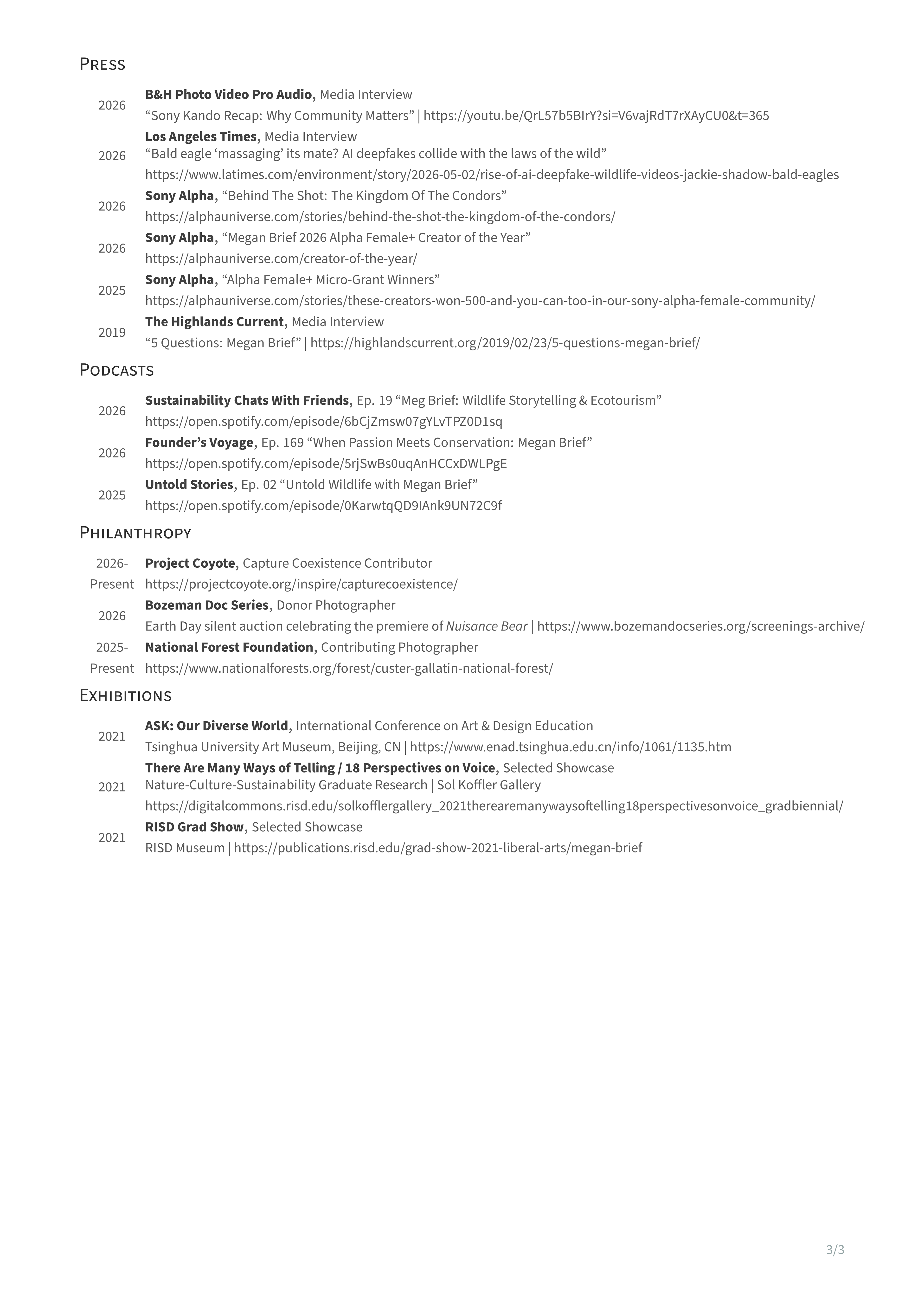
Curriculum Vitae