
The Arctic Economic Council (AEC) is an independent organization created by the Arctic Council to increase responsible economic development for the benefit of the people of the Arctic.
A cornerstone of the AEC’s mission has been its efforts to collaborate with Indigenous Peoples’ organizations, youth initiatives and the scientific community. These partnerships underscore the organization's belief in inclusive growth as essential to building resilient, thriving and prosperous Arctic communities. As the AEC looks toward the future, it remains steadfast in its goal of advancing sustainable economic opportunities that benefit both people and the environment.
The Arctic Council is the leading intergovernmental forum promoting cooperation, coordination and interaction among the Arctic States, Arctic Indigenous Peoples and other Arctic inhabitants on common Arctic issues, in particular on issues of sustainable development and environmental protection in the Arctic.
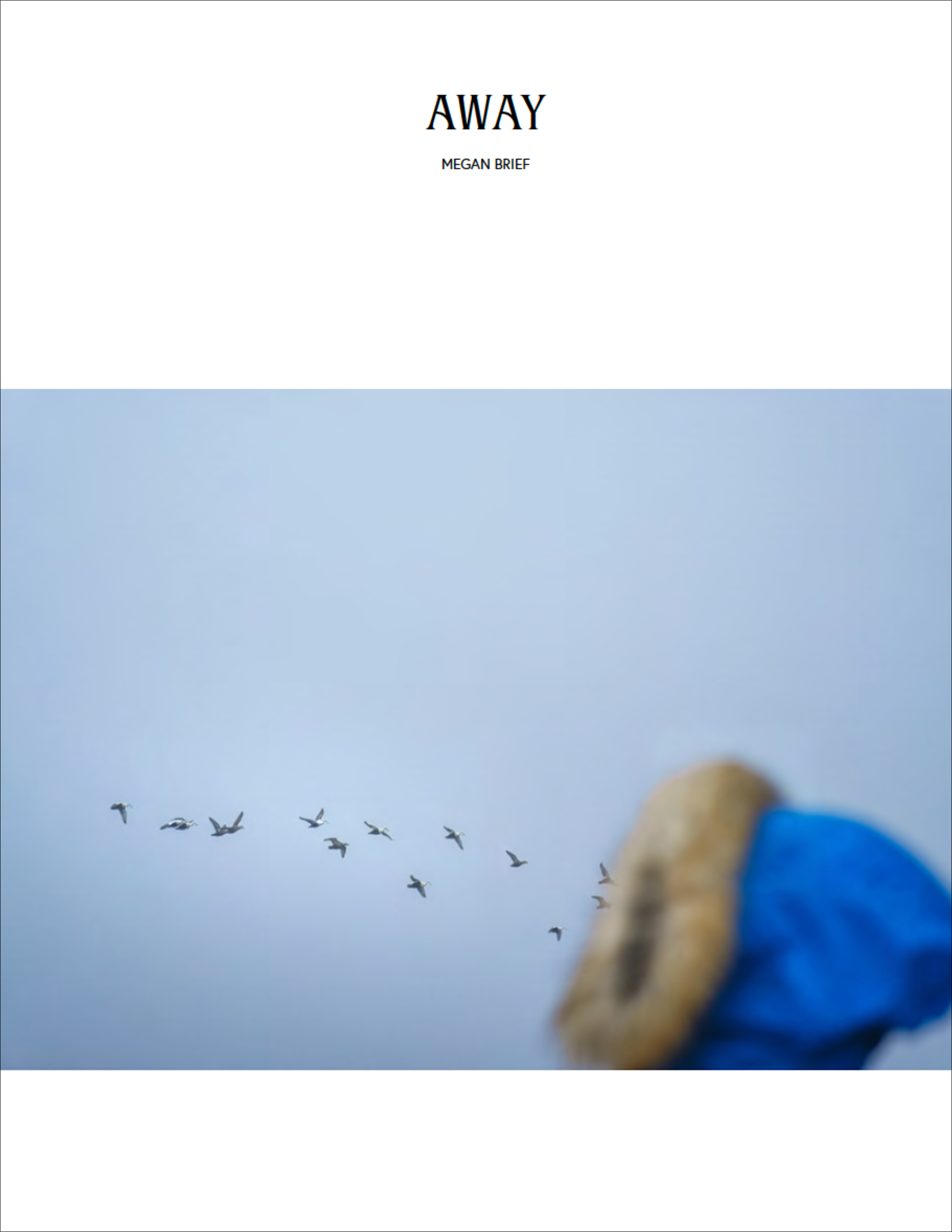
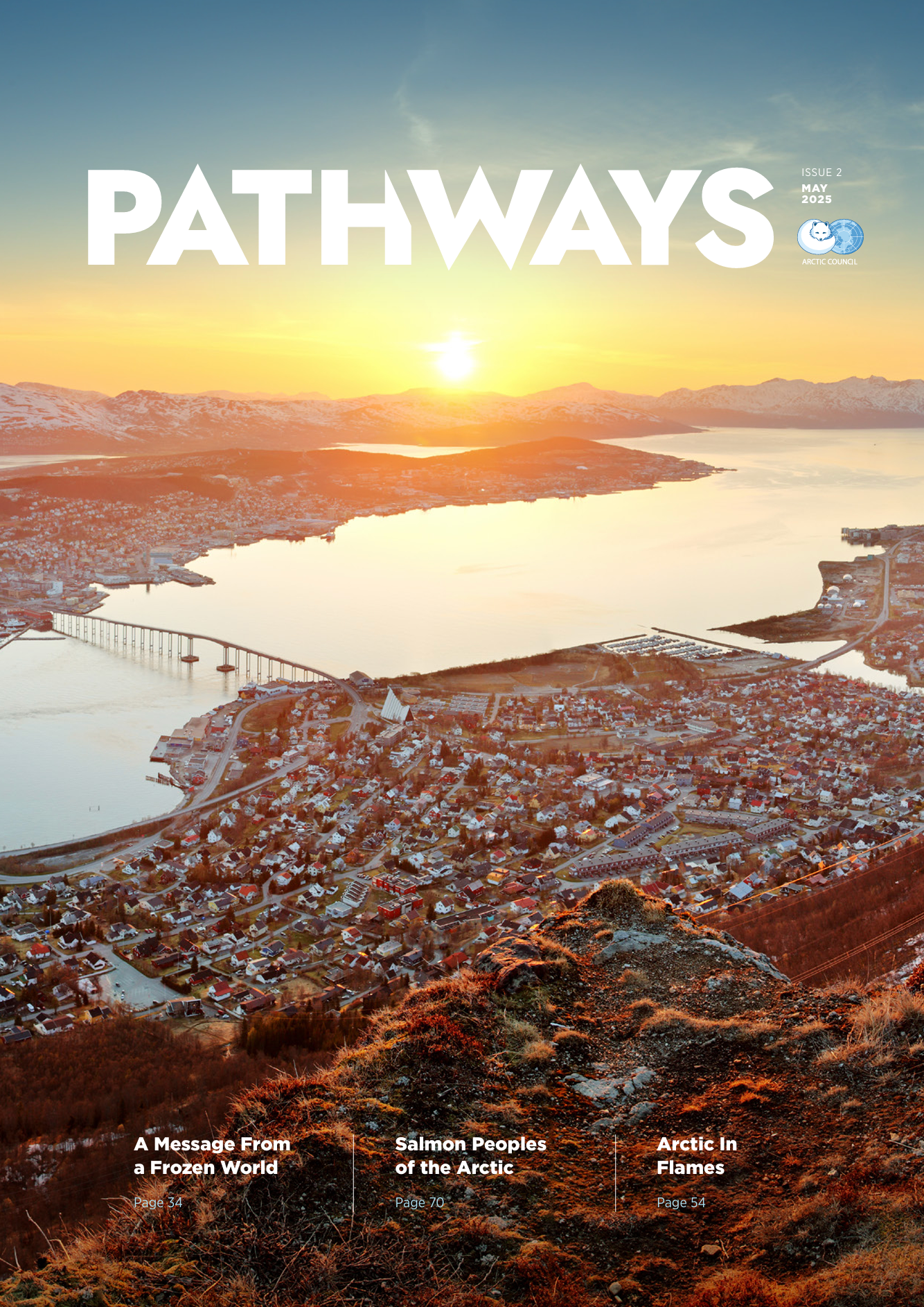
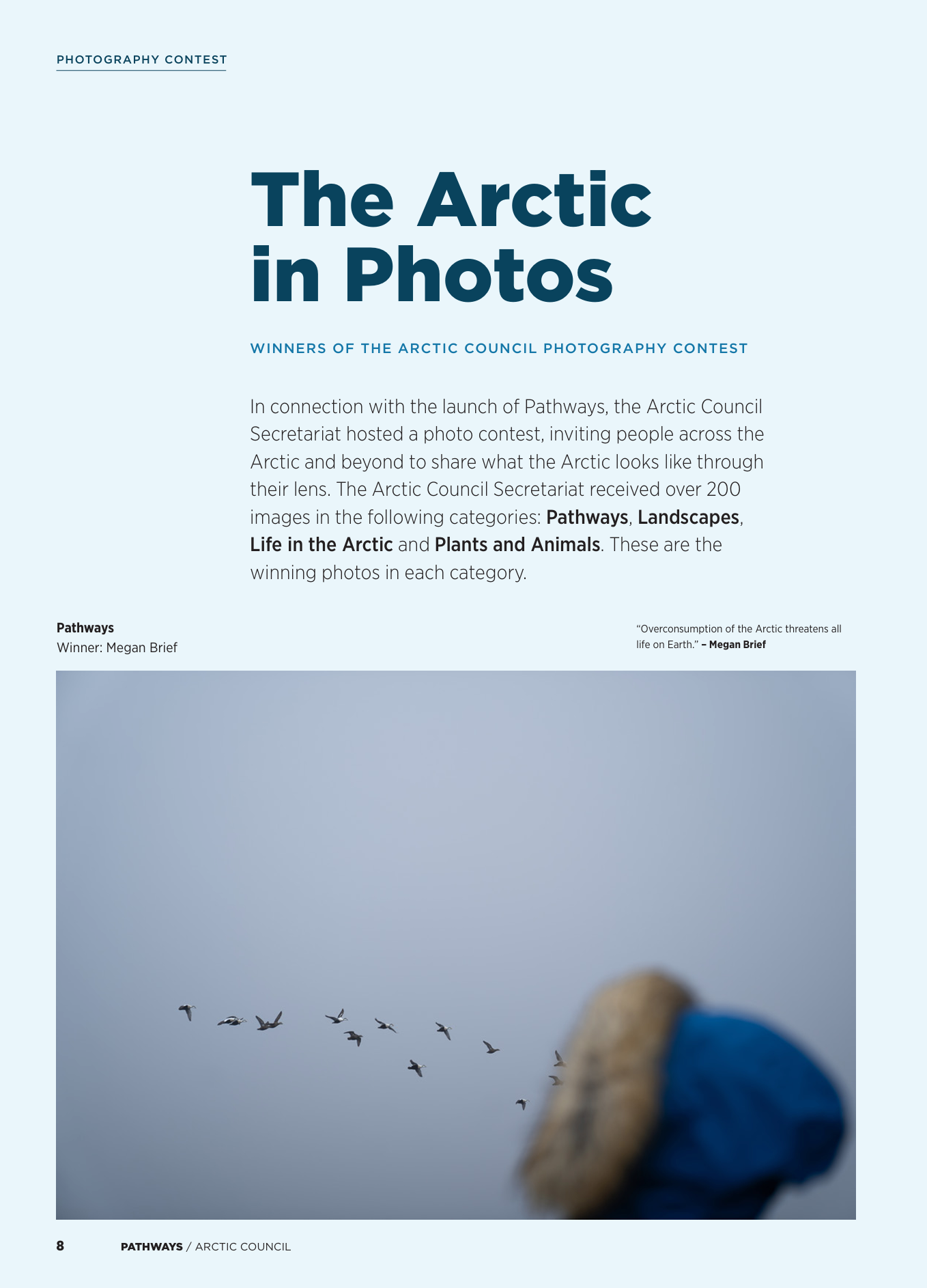
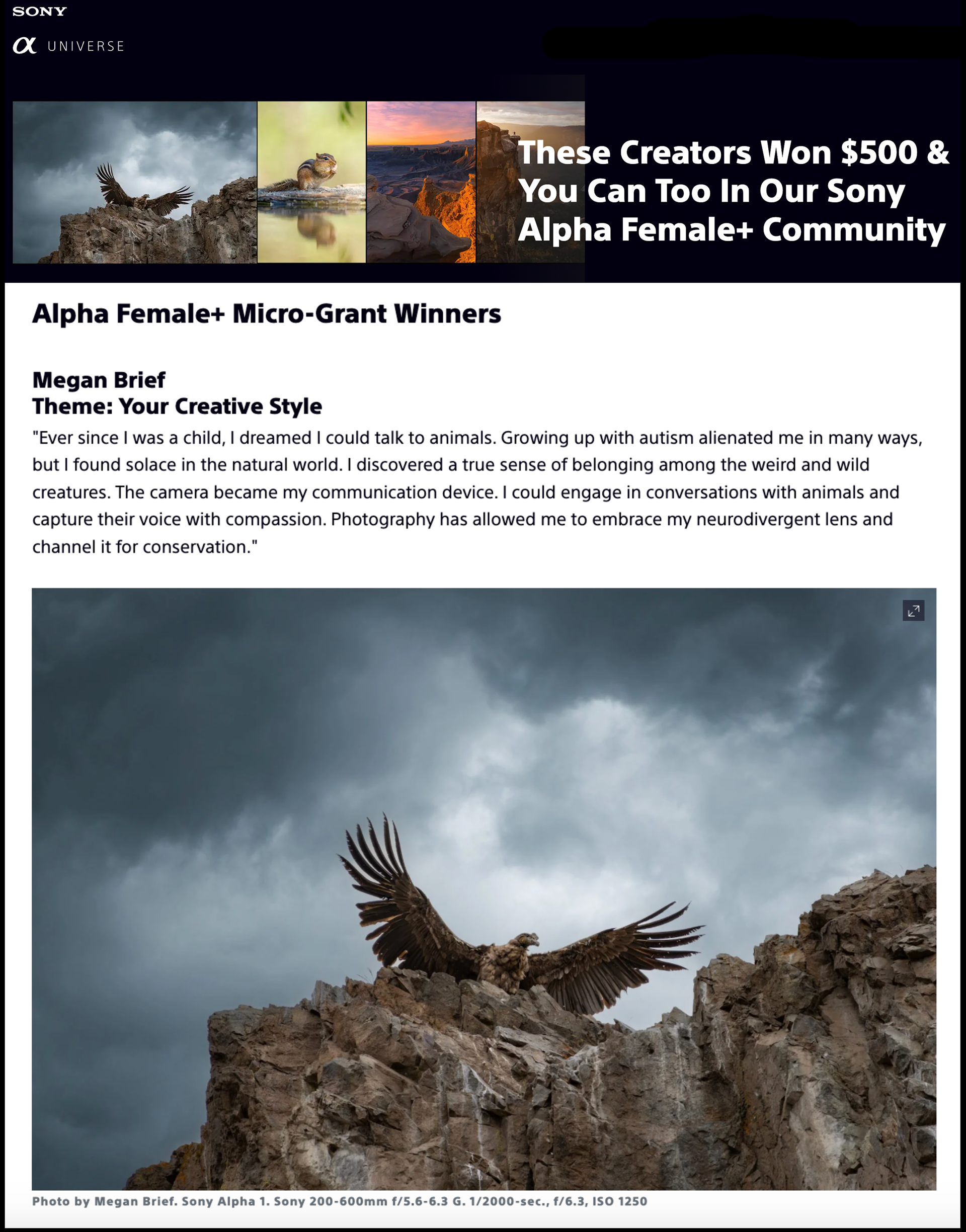
The Arctic Council launched the second issue of its biennial magazine, ‘Pathways: The Arctic Council Magazine’, at the 14th Arctic Council meeting in Spring 2025. In connection with the launch, the Arctic Council hosted a photography contest, inviting people to share what the Arctic looks like through their lens. Submissions for the following categories — Pathways, Landscapes, People of the Arctic and Plants and Animals — were judged by the Arctic Council Secretariat in cooperation with the Norwegian Chairship of the Arctic Council.
My photograph, 'The Arctic Maw' was selected as the first-place winner and is featured in the May 2025 Issue of 'Pathways.'
ABSTRACT
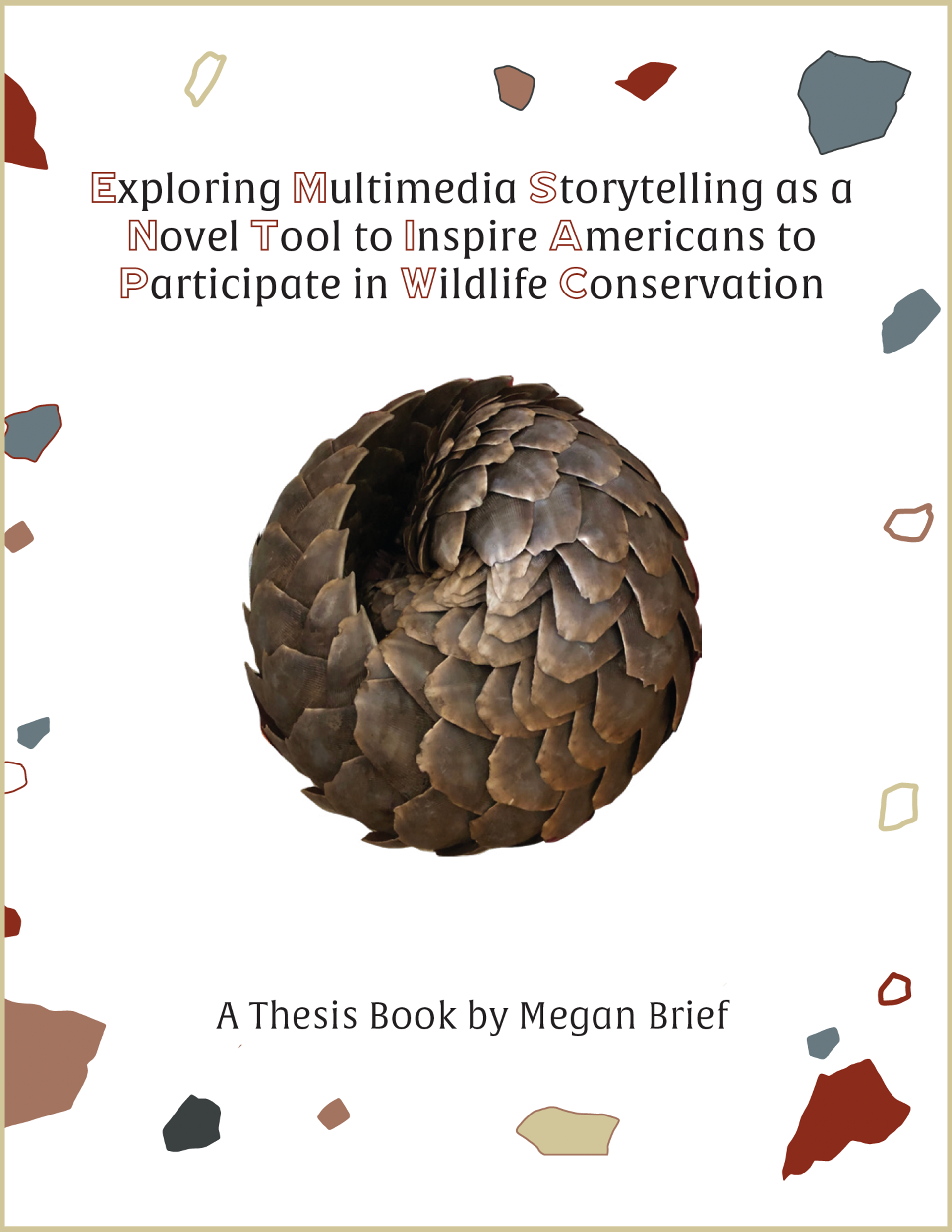
A Thesis presented in December 2020 to the Department of Nature-Culture-Sustainability Studies of Rhode Island School of Design in partial fulfillment of the requirements for the degree Master of Arts.
Human and nonhuman animal lives are intimately entangled. In the age of the Anthropocene, it is imperative to reexamine our proximity and kinship with nature. Human-wildlife conflict can evolve into coexistence through conservation efforts marked by creativity and compassion. To inspire conservation action among North American audiences, we must enact novel ways of disseminating scientifically technical concepts. Multimedia storytelling can encourage equitable involvement among lay participants in conservation spaces. When inclusive of Indigenous knowledges, and conscious of damage narratives, such innovative stories can empathetically communicate wildlife degradation and injustices, as well as animate vulnerable human and nonhuman communities.
ABSTRACT
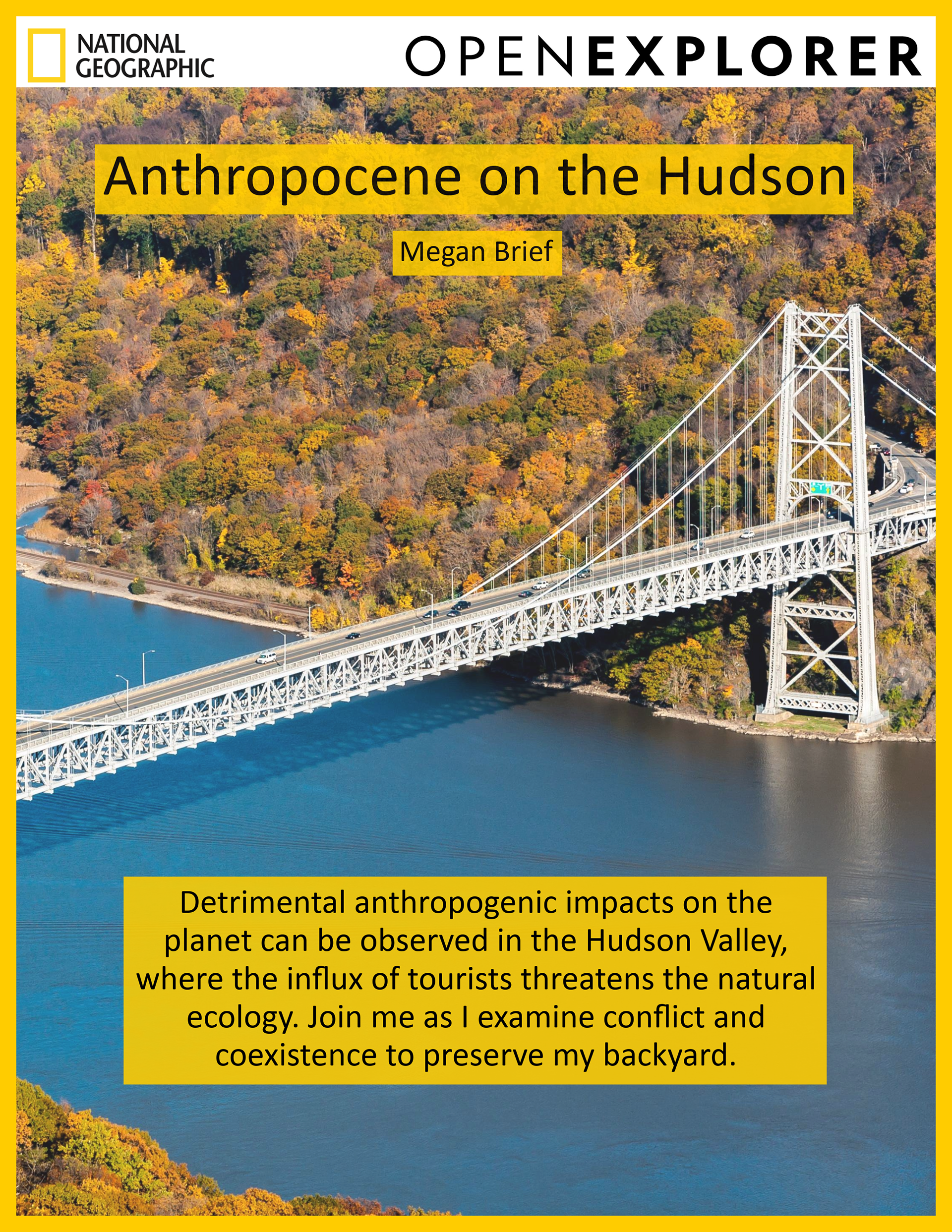
Originally founded in 2014 by National Geographic Explorer David Lang, Open Explorer was relaunched in 2018 under the management of Madeleine Foote. Open Explorer was a community platform for explorers and scientists to document their expeditions in real-time from the field and share their journeys with the world through digital storytelling in an effort to solve local and global conservation challenges.
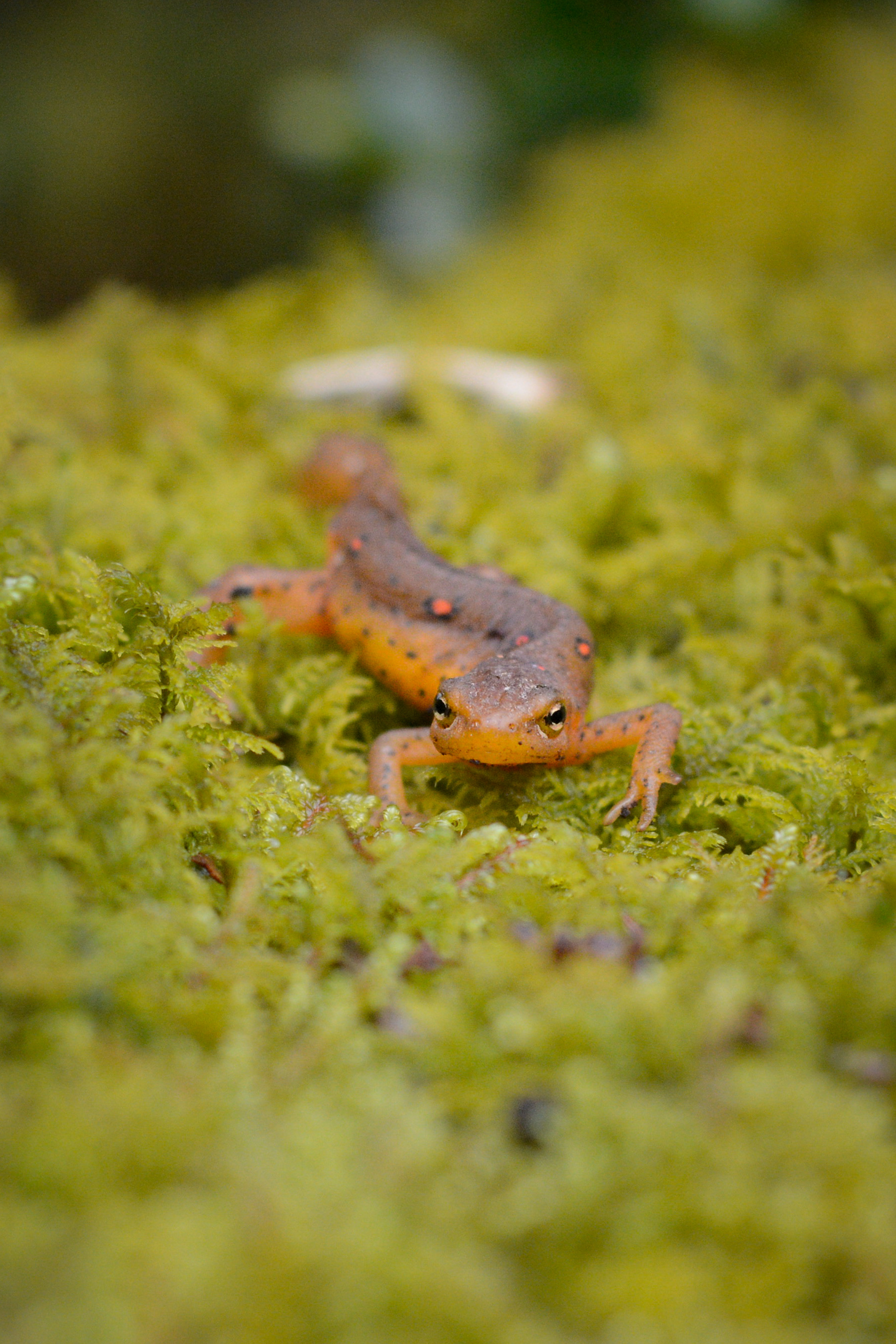
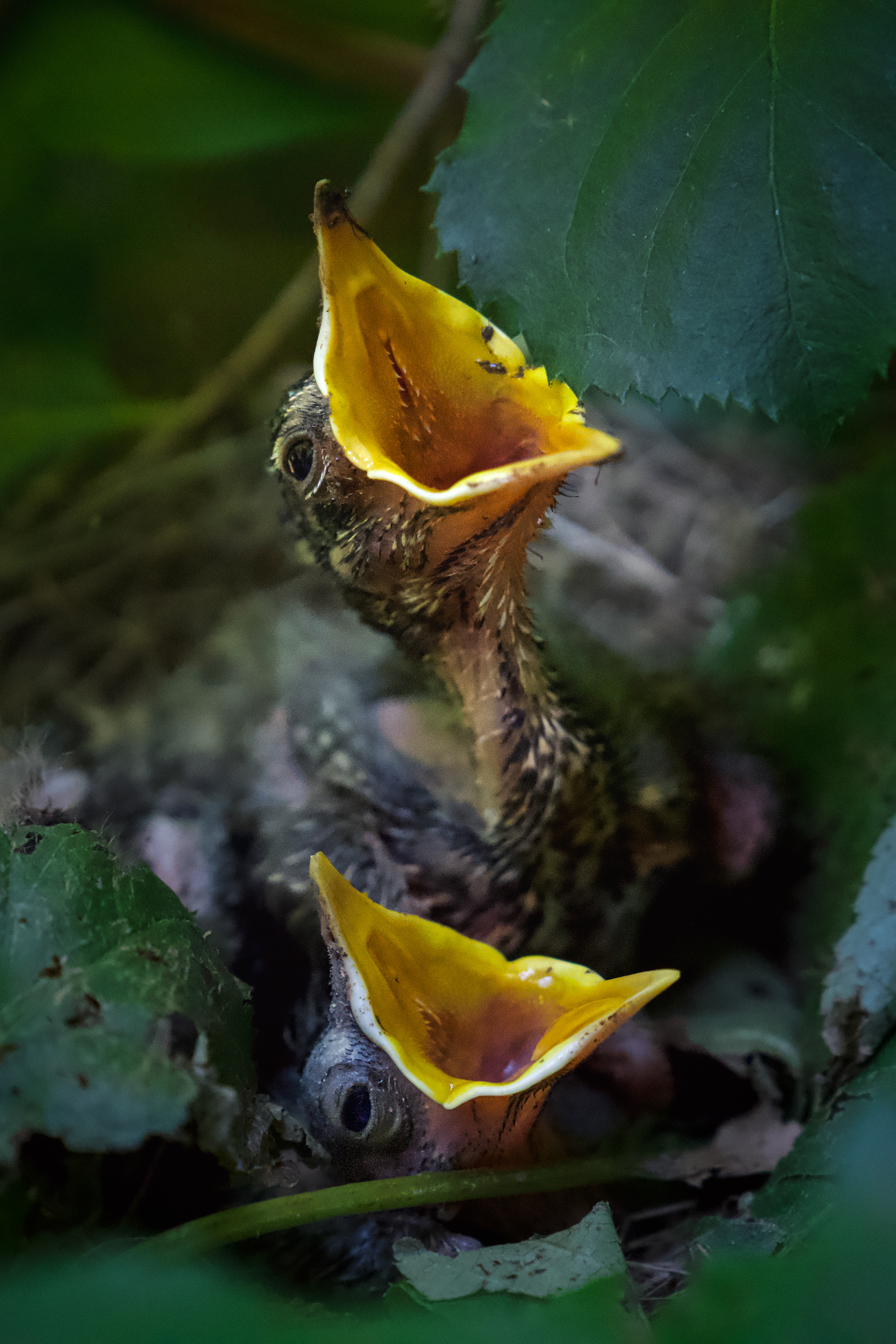
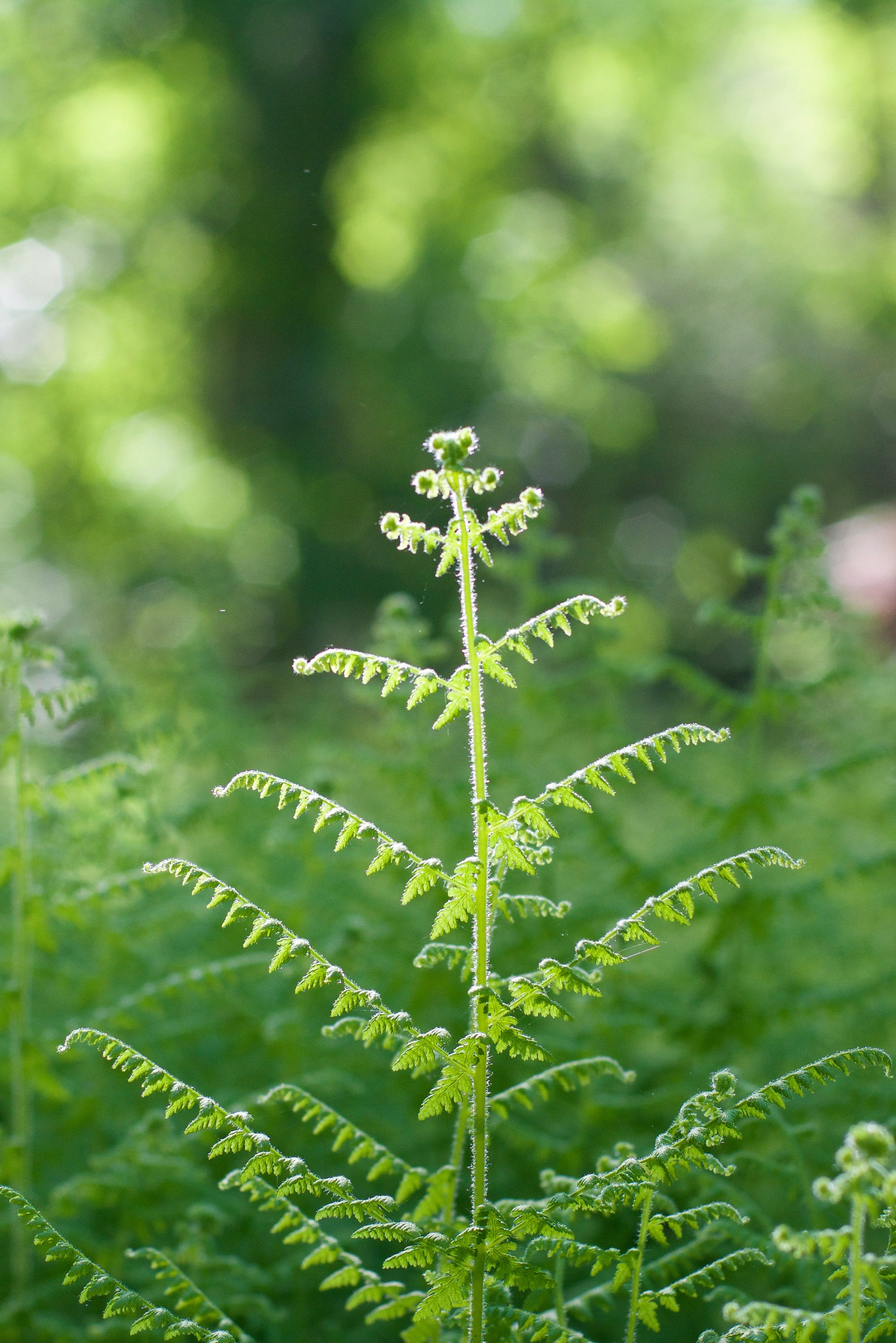
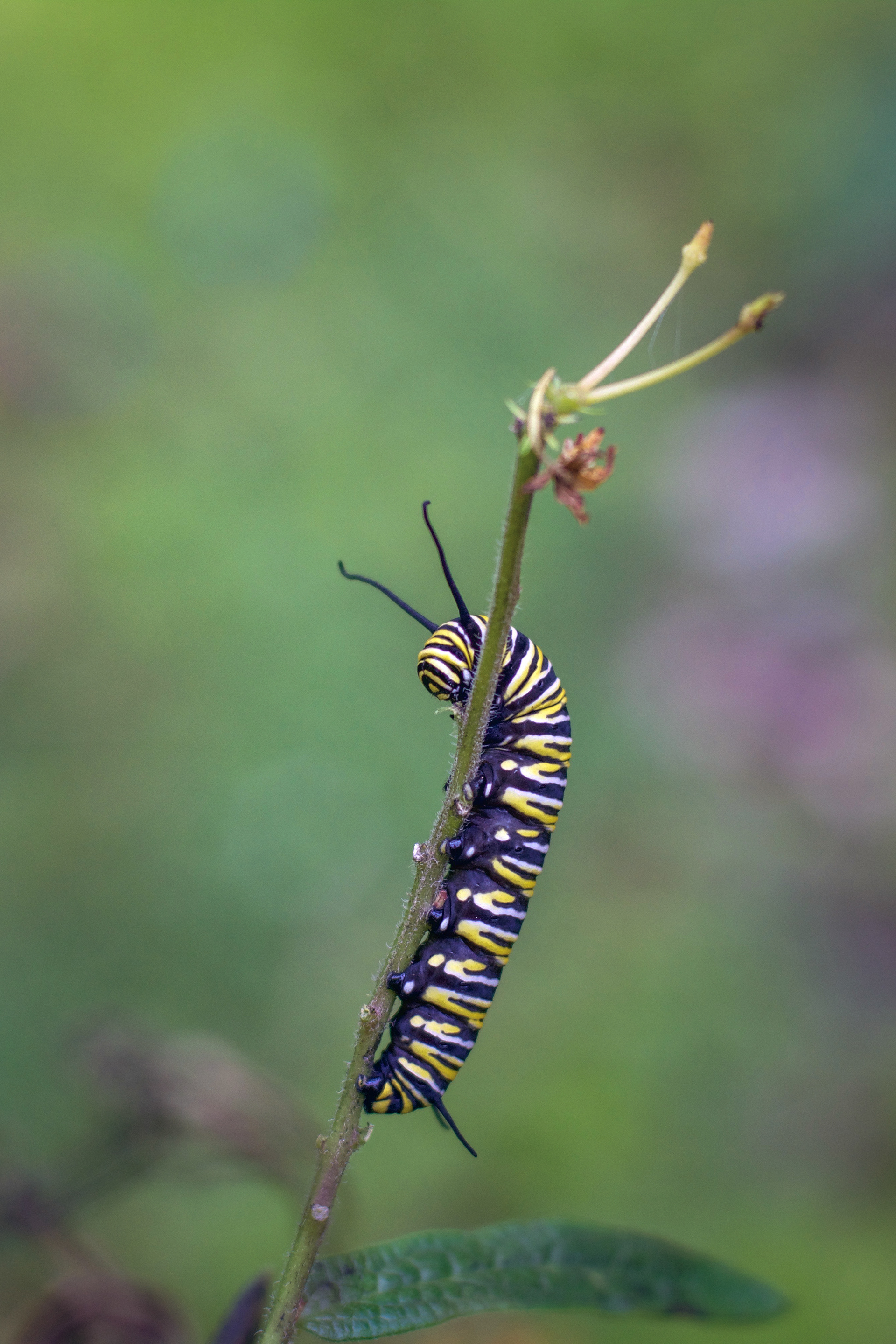
Under the mentorship of Andrew Revkin—one of America’s most honored environmental journalists and the founding director of Communication and Sustainability at Columbia University's Earth Institute—my Expedition, "Anthropocene on the Hudson," became a year-long storytelling pursuit. I interviewed local ecologists and politicians, photographed the Hudson River’s estuary habitats, and recorded anthropogenic impact on native species populations. My Expedition frequently appeared as the second most popular out of over a thousand active Expeditions as a result of user traffic and engagement. After it was announced that the platform would no longer be active, I created an interactive PDF to organize my field studies.